
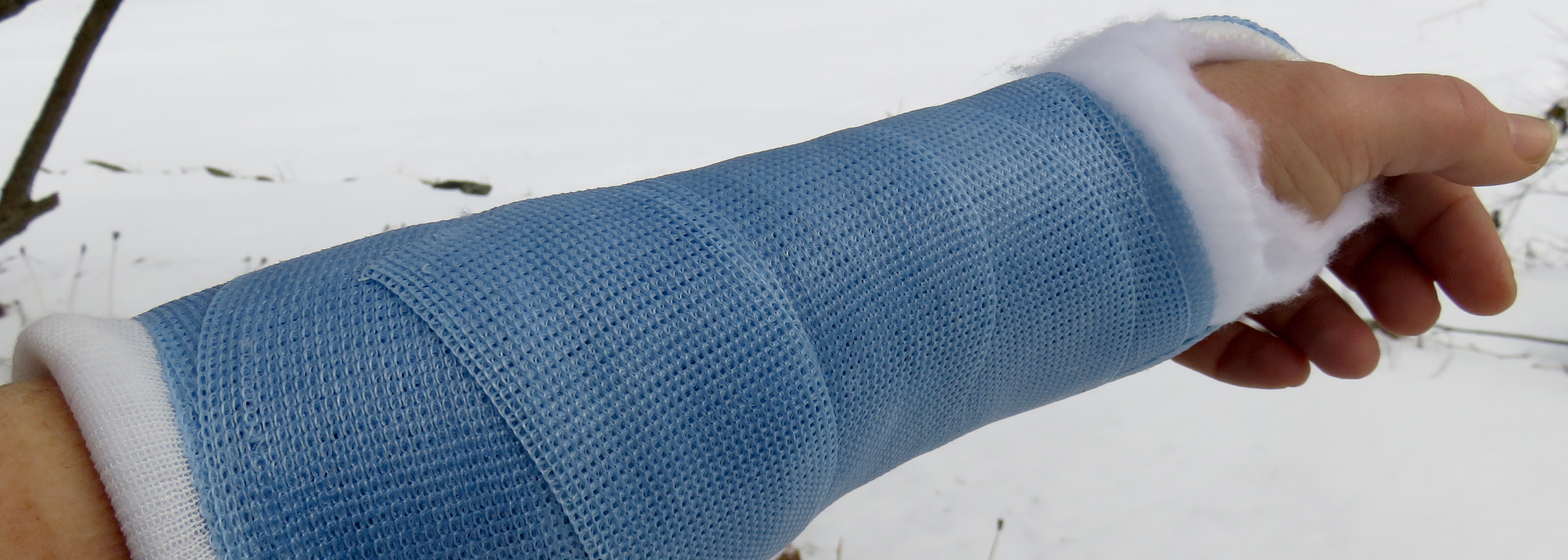
In January 2019, I slipped on some icy steps and smashed my wrist. The wrist healed. The long-term damage is that, being more scared of falling, I seize up when the footing is slippery.
I hate when people try to scare me in order to keep me “safe.” The problem with physical harm is how it can change me inside: from confident, inquiring, and venturesome to nervous, defensive, and uptight. Advice designed to prevent physical harm by making me frightened is exactly backwards. This is true in personal situations, and also with clickbait, sensationalist journalism, and social-media blitzes, on any topic where fear-mongering becomes prevalent. Which is a lot of topics.
In World War II Britain, it was considered treasonous to “spread alarm and despondency”–to make people any more afraid than they already were. This policy went too far when it meant suppressing factual news, but I’m completely on board with the idea that trying to make other people feel frightened is a form of sabotage. The reason I resent physical threats is because they scare me. Why would I be grateful for attempts to scare me into avoiding physical harm?
I am not arguing against sharing sensible advice: I’m all in favor of being smart and informed. I have ice-grippers for my shoes now. But real prudence is born of experience–whether personal or shared–not of emotion. Fear doesn’t create good sense; it makes good sense harder to access. Fear makes me psychologically unsafe, uptight, volatile, and therefore physically less safe as well. When I feel you’re shoving me towards fear, you feel like my enemy. I’m likely to get angry. I’ll be tempted to respond with defiance and recklessness.
And very often, whether the situation is interpersonal, national, or global, I will choose to turn elsewhere for news and advice.
 according to my lights